
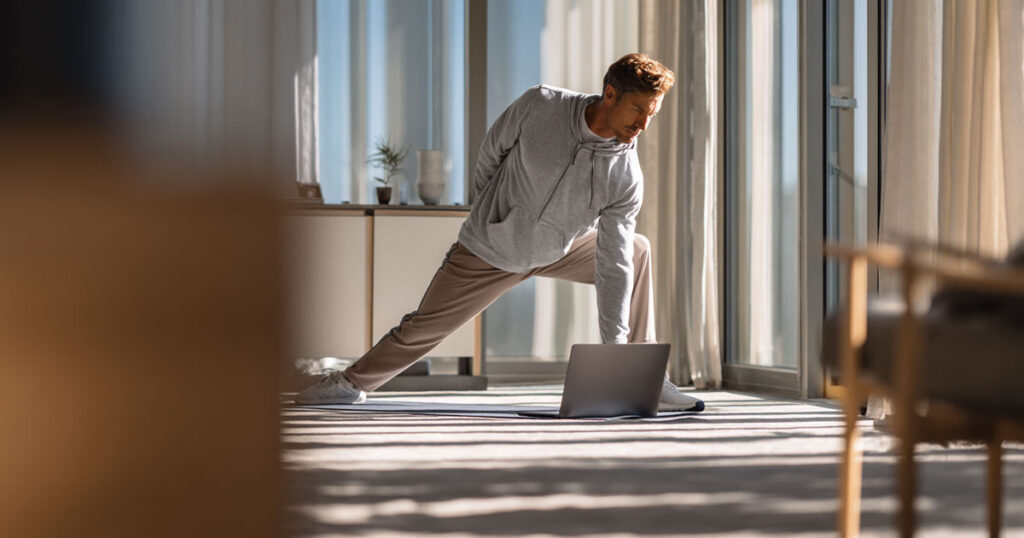
Life is busier than ever, and carving out time for the gym often feels impossible. That’s where Home Fitness & Movement comes in—an approach that’s reshaping how people stay active in 2025. It’s more than just working out in your living room; it’s about turning your daily environment into a space that supports your body, mind, and long-term health.
Instead of rigid gym schedules or expensive memberships, home fitness gives you the freedom to move on your own terms—whether that’s a 15-minute strength session before work, a yoga flow in the evening, or sneaking in stretches during breaks. And movement goes beyond formal workouts: standing up from your desk, walking to get some sunlight, or doing a quick mobility drill while waiting for the coffee to brew all count.
This guide will walk you through everything you need to know to create an effective and enjoyable home fitness lifestyle: how to design your workout space, the best types of training for different goals, nutrition and recovery tips, emerging trends for 2025, and practical routines you can start right away. Think of it as your trusted roadmap for building strength, energy, and confidence—right where you are.
Table of Contents
What Is Home Fitness & Movement?
At its core, Home Fitness & Movement is the practice of staying active without needing a traditional gym. It’s about blending structured exercise—like strength training, cardio, yoga, or Pilates—with the natural movements of everyday life. Think of it as a balance between planned workouts and simple actions that keep your body in motion throughout the day.
Home fitness covers the intentional side: workouts you do in your living room, garage, or even on your balcony. With minimal equipment—sometimes nothing more than your own bodyweight—you can build strength, improve endurance, and boost flexibility.
Movement expands the idea. It’s not just about “working out”; it’s about making your lifestyle more active. Standing instead of sitting, stretching after long calls, doing a quick set of squats while waiting for the microwave—these small actions compound into meaningful change. Scientists call this NEAT (Non-Exercise Activity Thermogenesis), and it plays a huge role in weight management and overall health.
In 2025, Home Fitness & Movement has evolved into a global trend because it matches the way we actually live: busy, connected, and looking for flexibility. It empowers you to stay consistent, save time, and integrate fitness seamlessly into your routine.
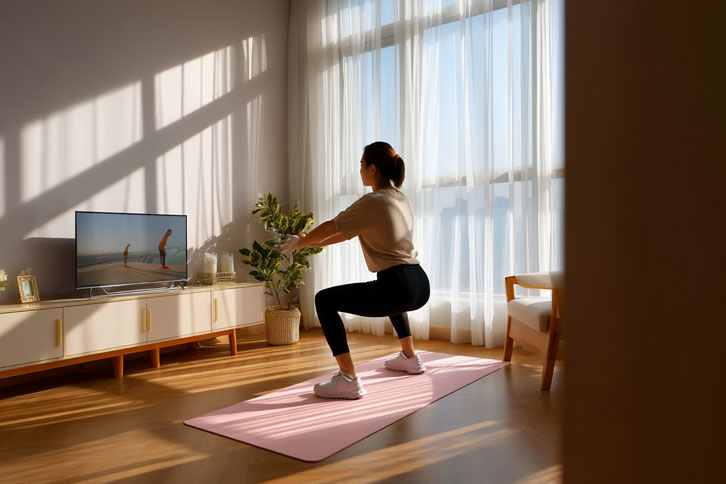
Benefits of Home Fitness
Why are more people embracing Home Fitness & Movement in 2025? The benefits go far beyond saving a trip to the gym. This approach creates a lifestyle shift that makes fitness sustainable, enjoyable, and deeply personal. Let’s break it down:
1. Physical Health
Training at home can be just as effective as gym workouts. Strength sessions with resistance bands or bodyweight moves build muscle and protect bone density. Cardio workouts like HIIT or dance elevate heart health and improve endurance. Even 20 minutes a day makes a difference in energy and long-term fitness.
2. Mental Well-Being
Moving at home reduces stress, improves sleep quality, and releases endorphins—the natural “feel good” chemicals. Plus, you’re in control: no crowded gyms, no waiting for machines, no performance anxiety. That comfort often leads to better consistency.
3. Convenience and Time-Saving
With workouts just a few steps away, excuses shrink. No commute, no wasted minutes packing bags. This means you can fit training into your lifestyle—before work, during a lunch break, or right after dinner.
4. Cost-Effective
Gym memberships, transport, and extras add up. Setting up a simple home workout space requires only a yoga mat and maybe some resistance bands to start. Over time, it’s a serious money-saver. (Tip: later in this guide, we’ll show affordable gear that upgrades your training without breaking the bank.)
5. Flexibility and Personalization
Your home workout adapts to your needs: go high-intensity on days you feel powerful, choose stretching or yoga when you need recovery. You’re not locked into a one-size-fits-all program—your fitness evolves with you.
How to Set Up Your Home Workout Space
You don’t need a full gym to get serious results. With a bit of planning, any corner of your home can become a place where consistency feels natural. The key is creating a space that’s safe, motivating, and easy to access.
1. Choose the Right Spot
Look for an area that gives you at least a 2×2 meter space—enough to stretch your arms and move freely. It could be your living room, bedroom, balcony, or even part of the garage. Good airflow and decent lighting help make workouts more energizing.
2. Invest in the Essentials
You can start with nothing but your bodyweight, but a few items elevate the experience:
- Yoga or exercise mat – protects your joints and provides a stable surface.
- Resistance bands – versatile, compact, and perfect for strength training.
- Adjustable dumbbells – a game-changer for progression (we’ll link to options later).
- Foam roller – aids recovery and mobility.
Tip: If you want equipment that grows with you, check out this versatile option on Amazon. It’s compact, durable, and ideal for small spaces.
3. Keep It Organized
Clutter kills motivation. Use a small basket, shelf, or storage box to keep your gear tidy. That way, starting your workout is as simple as unrolling the mat.
4. Add Motivation
Little touches go a long way. A speaker or playlist for energy, a mirror to check form, or even a motivational quote on the wall can turn your space into a mini-studio that inspires movement.
5. Safety First
Make sure the floor isn’t slippery and cables or furniture aren’t in your way. If you’re doing jumps or cardio, consider an extra mat for shock absorption.
Types of Home Workouts
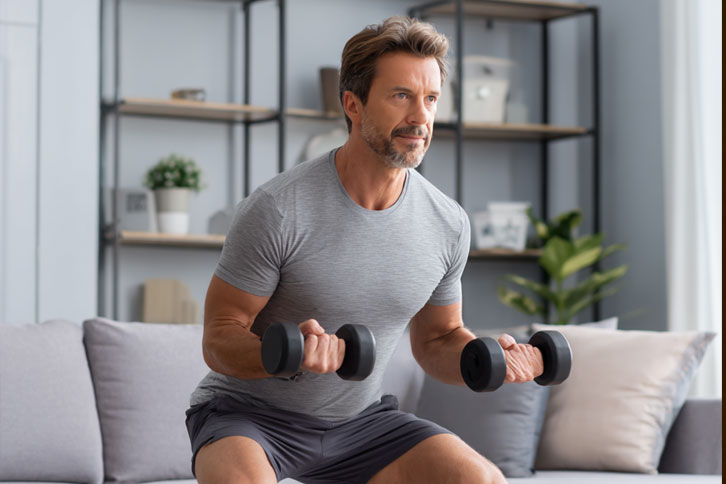
The beauty of Home Fitness & Movement is the variety. You’re not limited to one style—your routine can (and should) mix different types of training. This keeps things fresh, prevents boredom, and ensures you’re working your body in a balanced way.
Strength Training
Strength is the foundation of health. At home, you can build serious muscle using:
- Bodyweight moves: push-ups, squats, lunges, planks.
- Resistance bands: perfect for progressive overload without heavy weights.
- Dumbbells or kettlebells: ideal for compound exercises like presses, rows, and deadlifts.
Strength training improves posture, boosts metabolism, and makes daily tasks easier. Even 2–3 sessions a week deliver noticeable results.
Cardio Workouts
Cardio keeps your heart healthy, burns calories, and elevates endurance. You don’t need a treadmill—your living room is enough.
- HIIT (High-Intensity Interval Training): short bursts of effort (e.g., jumping jacks, burpees) followed by rest.
- LISS (Low-Intensity Steady State): dancing, light jogging in place, or step workouts.4
- Circuit training: combine strength and cardio for a full-body challenge.
Cardio workouts at home can be as short as 10–15 minutes and still be effective.
Mobility & Flexibility (Yoga, Pilates, Stretching)
Mobility and flexibility often get overlooked, but they’re crucial for long-term health.
- Yoga: builds strength, balance, and mental focus.
- Pilates: targets core stability and posture.
- Stretching flows: relieve stiffness from sitting and improve recovery.
Even 5–10 minutes a day of stretching or mobility drills can prevent injury and make your workouts feel smoother.
Functional Training
Functional workouts mimic everyday movements—pushing, pulling, squatting, carrying. They train your body to move better, not just look better.
- Examples: kettlebell swings, farmer’s carries, step-ups, medicine ball throws.
- Benefits: better coordination, balance, and reduced risk of injury in daily life.
Functional training is perfect if you want your workouts to directly translate into strength for real-world tasks.
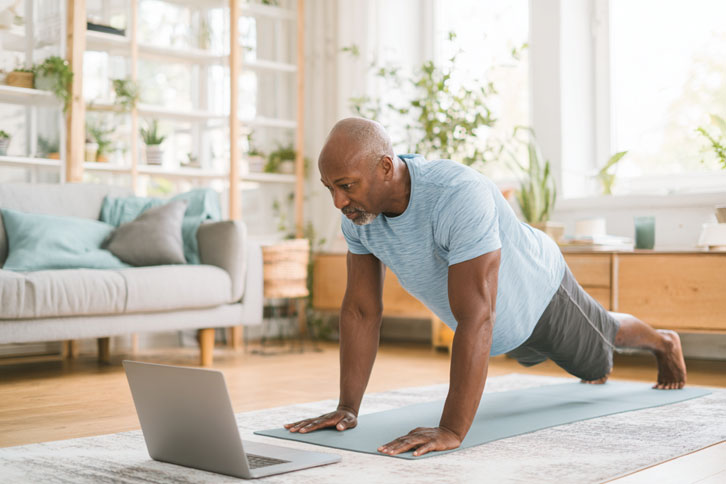
Workout Plans and Routines
Having a plan makes all the difference. Instead of guessing which workout to do each day, a routine helps you stay consistent and progress over time. Here’s how Home Fitness & Movement can look for different fitness levels.
Beginner-Friendly Plans
If you’re just starting out, the key is to keep it simple and build confidence.
- Frequency: 3 days per week
- Duration: 15–25 minutes
- Focus: full-body workouts, light cardio, gentle mobility
Sample Routine:
- 10 squats
- 8 push-ups (on knees if needed)
- 10 glute bridges
- 20 seconds plank
- 1 minute of marching in place
(Repeat 2–3 rounds)
Tip: Consistency matters more than intensity at this stage. Start small and grow gradually.
Intermediate Routines
Once you’re comfortable with the basics, it’s time to add variety and challenge.
- Frequency: 4 days per week
- Duration: 30–40 minutes
- Focus: split strength + cardio, progressive overload
Sample Weekly Split:
- Day 1: Upper body strength (push-ups, rows, presses)
- Day 2: Cardio HIIT (20–30 minutes)
- Day 3: Lower body strength (squats, lunges, deadlifts)
- Day 4: Mobility & core (yoga, Pilates, plank variations)
Advanced Training Schedules
For experienced movers, structure and intensity become key.
- Frequency: 5–6 days per week
- Duration: 45–60 minutes
- Focus: advanced strength, higher-intensity cardio, periodization
Sample Schedule:
- Day 1: Strength – Push (chest, shoulders, triceps)
- Day 2: Cardio HIIT + Core
- Day 3: Strength – Pull (back, biceps)
- Day 4: Mobility & active recovery
- Day 5: Strength – Lower body
- Day 6: Functional circuits / conditioning
- Day 7: Rest or light stretching
At this stage, tools like adjustable dumbbells, kettlebells, or even smart equipment can help you progress further.

Movement Beyond Workouts
One of the biggest shifts in Home Fitness & Movement is realizing that health isn’t only built during a workout. Movement is something you weave into your entire day. These “micro-moments” of activity can be just as impactful as a structured session—especially if you spend a lot of time sitting or working from home.
Everyday Movement Counts
- Walk more: Aim for short walks after meals, take the stairs, or simply pace while on calls.
- Active breaks: Stand up every 30–60 minutes, stretch your arms, roll your shoulders, or do 10 squats.
- Household activity: Cleaning, gardening, and carrying groceries all contribute to calorie burn and functional strength.
Ergonomics Matter
If you spend hours at a desk, your posture and workspace setup can affect your body. A few adjustments—like raising your screen to eye level, using a supportive chair, and stretching your hips—can prevent stiffness and pain.
Mind-Body Connection
Movement beyond workouts also includes mindful practices: breathing exercises, short yoga flows, or even a couple minutes of mobility drills to reset your body and mind. These habits reduce stress and boost energy.
Tip: Think of movement as a lifestyle, not just “exercise.” The more you sprinkle activity into your day, the less pressure you feel to fit in the “perfect” workout.
Nutrition and Recovery
No matter how consistent your workouts are, results depend heavily on what happens outside the training session. Home Fitness & Movement thrives when it’s supported by smart nutrition, proper rest, and effective recovery strategies.
Fuel Your Body Right
- Balanced meals: Aim for a mix of protein, complex carbs, and healthy fats. This fuels energy for workouts and aids muscle repair.
- Protein focus: Lean meats, eggs, legumes, or protein shakes help maintain and build muscle.
- Hydration: Even mild dehydration reduces performance—keep water nearby during the day, not just during workouts.
Recovery Is Where Growth Happens
- Sleep: Aim for 7–9 hours per night. Quality sleep is the most powerful recovery tool available.
- Active recovery: On rest days, go for light walks, stretch, or do yoga to keep blood flowing without overloading muscles.
- Foam rolling & mobility: Simple tools like a foam roller or massage ball can ease soreness and improve flexibility.
Supplements (Optional, Not Essential)
Some people benefit from basics like creatine, protein powder, or electrolytes—especially if training intensity is high. Always treat supplements as additions, not replacements, for a balanced diet.
Tip: Think of food and rest as part of your workout plan. Training breaks down muscle fibers—nutrition and recovery rebuild them stronger.
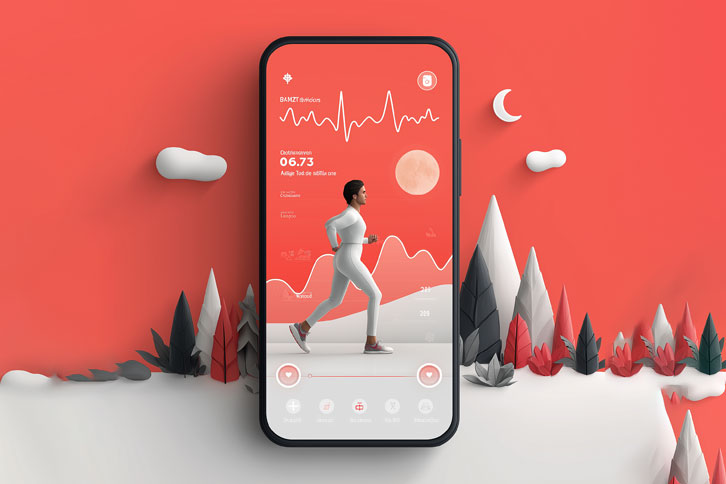
Technology and Apps for Home Fitness
One of the best parts of embracing Home Fitness & Movement in 2025 is how technology makes it easier to stay consistent, track progress, and even have fun while training. You don’t need to figure it all out alone—apps and devices can act like your personal coach, right in your pocket.
Apps That Guide You
- Workout libraries: Apps like Nike Training Club or FitOn offer free routines for every fitness level.
- Follow-along programs: Platforms such as Peloton or Les Mills bring studio-style classes into your living room.
- Tracking tools: MyFitnessPal or Cronometer can help monitor nutrition and energy balance.
Smart Devices
- Smartwatches & wearables: Apple Watch, Fitbit, and Garmin track steps, heart rate, calories burned, and even sleep quality.
- Connected equipment: Smart dumbbells, interactive mirrors, or compact bikes provide real-time feedback and progress tracking.
- Timers & reminders: A simple interval timer app keeps HIIT sessions sharp and effective.
Why Tech Helps
- Accountability: Apps send reminders and track streaks, which keeps motivation high.
- Personalization: Many tools adapt workouts to your goals, time, and fitness level.
- Community: Virtual groups or leaderboards make you feel part of something bigger—perfect for when you’re training at home.
Tip: You don’t need fancy gadgets to succeed. Start with free apps and your phone timer. If you want to level up, explore wearables and smart gear that fit your budget.
Common Mistakes and How to Avoid Them
Training at home is simple and effective—but it’s also easy to fall into habits that limit your progress. Understanding these pitfalls will help you stay consistent and get the most out of your Home Fitness & Movement journey.
1. Skipping Warm-Ups
Jumping straight into exercise increases the risk of injury.
Solution: Spend 3–5 minutes with light cardio (jumping jacks, marching in place) and dynamic stretches.
2. Poor Form
Without mirrors or a trainer watching, form can slip. This not only slows progress but also creates strain.
Solution: Record short videos of yourself or use apps with form cues. Prioritize technique over reps.
3. Doing Too Much, Too Soon
Motivation is high at the start, but overtraining leads to burnout and soreness.
Solution: Progress gradually—add reps, sets, or resistance slowly, not all at once.
4. Inconsistency
The biggest mistake is treating workouts as “optional.” Results come from habits, not occasional bursts of effort.
Solution: Schedule workouts in your calendar like appointments. Short but regular sessions beat random long ones.
5. Ignoring Recovery
Training every day without rest increases fatigue and decreases performance.
Solution: Include active recovery days and respect sleep as part of your program.
Remember: Success at home isn’t about doing everything perfectly—it’s about avoiding the common traps that stop most people from staying consistent.
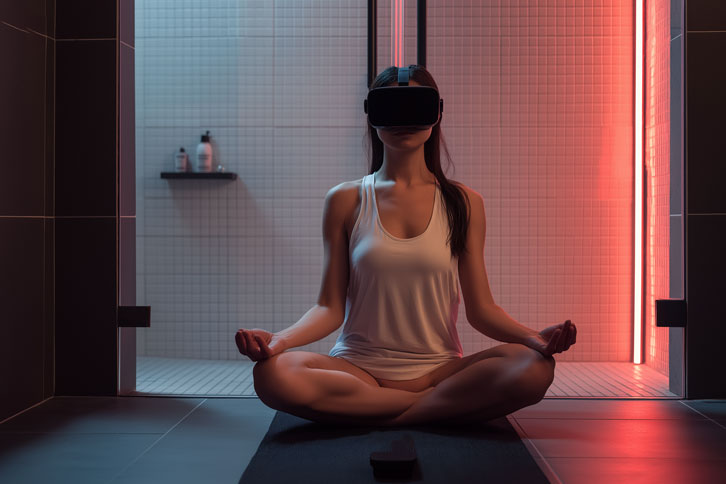
Home Fitness Trends for 2025 and Beyond
Fitness is always evolving, and in 2025 Home Fitness & Movement is more innovative, personalized, and tech-driven than ever before. These trends aren’t just fads—they’re shaping the way people integrate wellness into their daily lives.
1. AI-Powered Coaching
Apps and platforms now use artificial intelligence to adapt workouts in real time. They adjust difficulty based on your performance, track progress automatically, and even suggest recovery protocols.
2. Virtual & Hybrid Training
Virtual reality (VR) workouts and hybrid models—mixing at-home routines with occasional in-person coaching—are becoming popular. Imagine boxing in a VR arena or joining a live-streamed yoga class with friends across the world.
3. Compact Smart Equipment
From foldable treadmills to smart adjustable dumbbells, gear is getting smaller, smarter, and more efficient. This makes it easier than ever to build a gym in a small apartment without sacrificing variety.
4. Holistic Wellness Integration
Home fitness is no longer only about workouts. Platforms are offering meditation, breathwork, and sleep tracking to create a complete health ecosystem. The focus is shifting from “exercise” to whole-person well-being.
5. Community-Driven Challenges
People crave connection, even when training at home. Apps and social platforms now organize monthly challenges, leaderboards, and group accountability systems that keep motivation high.
Tip: Trends come and go, but consistency never goes out of style. Choose the innovations that truly fit your lifestyle—and ignore the rest.
Frequently Asked Questions About Home Fitness & Movement
Do I need equipment to start Home Fitness & Movement?
No. You can begin with bodyweight exercises like squats, push-ups, and planks. Resistance bands or dumbbells can be added later for progression.
How long should I work out at home each day?
Even 15–30 minutes is effective if you’re consistent. Quality and regularity matter more than duration.
Can home workouts replace the gym?
Yes—if you follow a structured plan and apply progressive overload. For heavy lifting, adjustable dumbbells or kettlebells are helpful.
What’s the best workout for weight loss at home?
A mix of strength training and HIIT cardio works best. Pair it with balanced nutrition for long-term results.
How do I stay motivated when training at home?
Set a schedule, track progress, and keep your workout space inviting. Apps, playlists, or accountability partners help too.
How many days per week should I train?
For most people, 3–5 days per week is ideal. Beginners can start with 2–3, while advanced movers may go up to 6 with rest days included.
Is yoga or Pilates enough for Home Fitness & Movement?
Yes, especially for mobility, balance, and stress relief. But combining them with strength or cardio makes your routine more complete.
Do I need a lot of space for home fitness?
Not at all. A 2×2 meter area—enough to stretch your arms freely—is usually all you need.
Conclusion
Home Fitness & Movement isn’t just a trend—it’s a lifestyle shift that makes staying active simpler, more flexible, and more sustainable. With the right mix of workouts, smart nutrition, daily movement, and recovery, your home can become the best fitness studio you’ve ever had.
The secret is consistency. You don’t need hours each day or expensive equipment. Start small, move often, and let the habit grow. Over time, these daily actions add up to stronger muscles, better health, and a mindset that thrives on movement.
At Be2day, our mission is to guide and inspire you on this journey—making fitness accessible, enjoyable, and part of your everyday life. Whether you’re a beginner looking for simple routines or someone ready to explore advanced training and the latest trends, this guide is your roadmap.
Next step: Explore our full Home Fitness & Movement hub for deeper dives into routines, nutrition tips, and gear recommendations.
Want to upgrade your home setup? Start with smart, space-saving equipment like this versatile option on Amazon—perfect for small spaces and progressive training.
Remember: fitness doesn’t live in a gym—it lives in your daily choices. Start today, move with purpose, and transform your home into a place where health and energy flow naturally.